Kingston Road bulky rubbish collection in Surbiton what to know
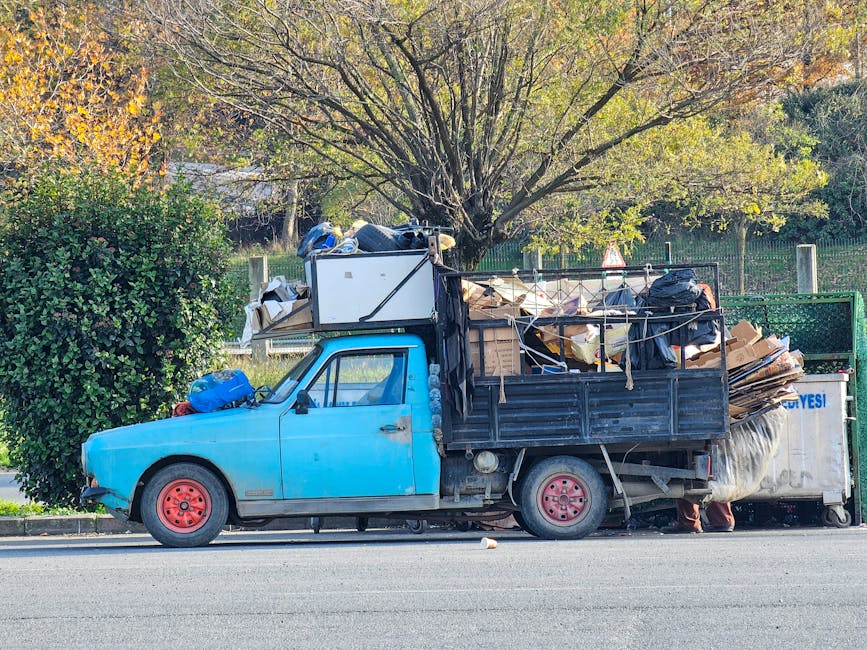
If you live, work, or manage a property near Kingston Road in Surbiton, bulky rubbish has a way of becoming urgent at the worst possible time. One week it is an old sofa leaning in the hallway; the next, it is a broken wardrobe, a mattress, a fridge that nobody wants to wrestle down the stairs, and a garage that has quietly become a storage unit. Kingston Road bulky rubbish collection in Surbiton what to know is really about making that mess manageable, legal, and gone without a lot of stress.
This guide explains how bulky waste collection works, what to expect, what can go wrong, and how to choose the most sensible route for your situation. You will also find practical tips, a checklist, and a straightforward comparison of common collection options. No fluff. Just the useful stuff that helps you clear space and get on with your day.
- Why Kingston Road bulky rubbish collection in Surbiton what to know matters
- How Kingston Road bulky rubbish collection in Surbiton what to know works
- Key benefits and practical advantages
- Who this is for and when it makes sense
- Step-by-step guidance
- Expert tips for better results
- Common mistakes to avoid
- Tools, resources and recommendations
- Law, compliance, standards, or best practice
- Options, methods, or comparison table
- Case study or real-world example
- Practical checklist
- Conclusion
- Frequently asked questions
Why Kingston Road bulky rubbish collection in Surbiton what to know Matters
Bulky waste is different from everyday household rubbish. It is larger, heavier, harder to move, and often awkward to transport safely. A few items might seem harmless on their own, but stack them together and you have a problem: blocked access, trip hazards, moving-day delays, complaints from neighbours, and that ever-present "we'll sort it tomorrow" feeling that somehow drags on for weeks.
On a busy road like Kingston Road, there is also the practical side. Parking can be tight, access may be restricted, and you may need to work around other residents, tradespeople, or a loading bay. That means planning matters. A good bulky rubbish collection is not just about lifting items away. It is about doing it efficiently, safely, and with the least disruption to everyone involved.
It also matters because different items need different handling. A battered chest of drawers is one thing. A fridge, mattress, or old sofa is another. Some things can be recycled, some require special disposal, and some should never be treated as ordinary waste. That is where proper waste removal practice makes a real difference.
Practical takeaway: if the item is big, heavy, awkward, or likely to need more than one person to move, treat it as bulky waste from the start. That simple mindset saves time, money, and a fair bit of back strain.
If you are comparing ways to clear a property, a broader waste removal service can be more flexible than trying to force everything into one rigid disposal method. For larger home jobs, home clearance or house clearance may also be the better fit.
How Kingston Road bulky rubbish collection in Surbiton what to know Works
In most cases, bulky rubbish collection follows a simple sequence: you identify what needs removing, request a quote or booking, prepare the items, and then the collection team removes them from the property. The difference between a smooth job and a chaotic one usually comes down to preparation and clear communication.
Here is how it tends to work in practice:
- List the items. Be specific. "A sofa, two mattresses, a broken wardrobe, and a fridge" is much more useful than "some junk".
- Check access. Think about stairs, narrow hallways, parking, lift access, and whether items are already outside or still inside the property.
- Ask about restricted items. Fridges, appliances, confidential papers, and waste that may be classed as hazardous can need separate arrangements.
- Confirm the collection method. Some services are ideal for a few pieces of furniture; others are better for mixed loads or whole-property clearances.
- Prepare the area. Move smaller objects out of the way, protect floors if needed, and make sure the items to be collected are clearly identified.
- Collection day. The team removes, loads, and disposes of the items, with recycling where possible.
For example, if you are clearing a flat above a shop or a second-floor property with a narrow staircase, a specialist flat clearance approach can be a much calmer solution than trying to improvise. Same with a packed garage or loft. Different spaces, different headaches. You know how it is.
If you want to compare with skip-style disposal, it helps to understand what can go in a skip, because that option can be very useful for some jobs but awkward for others, especially where loading access is tight.
Key Benefits and Practical Advantages
There is a reason people use bulky waste collection instead of letting items sit for months. The obvious benefit is the space you get back. But the less obvious benefits are often the ones people appreciate most.
- Less strain and less risk. Large items are awkward. A proper collection reduces the chance of injury or damage to walls, doors, and bannisters.
- Faster turnaround. Instead of dragging the process out, you can clear several items in one visit.
- Cleaner property presentation. This matters if you are selling, letting, renovating, or just trying to make a place feel liveable again.
- Better sorting and recycling. A good service will separate reusable or recyclable materials where possible, rather than treating everything as one heap.
- Less neighbour friction. On a road like Kingston Road, keeping entrances clear and collections tidy makes life easier for everyone.
There is also a mental benefit, and honestly, people underestimate this. A room full of unwanted furniture or old appliances can make a home feel stuck. Once it is gone, the place breathes again. A small thing, maybe, but a real one.
For specific items, dedicated disposal options can help too. If you are dealing with an old bed or a bulky corner sofa, mattress and sofa disposal is often a clearer route than leaving those items to chance. For old coolers or kitchen appliances, fridge and appliance removal can be the more appropriate choice.
Who This Is For and When It Makes Sense
Kingston Road bulky rubbish collection in Surbiton what to know is useful for a surprisingly wide group of people. It is not just for someone doing a grand clear-out. Often it is about a single awkward moment that turned into a bigger job than expected.
This service makes sense if you are:
- moving house and need to clear items before handover;
- refreshing a rental property between tenancies;
- clearing a garage, loft, shed, or spare room;
- replacing furniture or appliances and need the old ones removed;
- dealing with a bereavement or an inherited property and need a respectful, orderly clearance;
- managing office furniture or business waste;
- handling post-renovation debris, timber, packaging, or leftover materials.
That last point matters. Many people think bulky collection is only for household stuff, but it often overlaps with builders waste clearance or office clearance. Different jobs, same principle: remove the clutter safely and responsibly.
It is also a sensible choice when the council-style route is inconvenient for your timeline or when you need a more hands-on service. To be fair, not everyone has the time to break down a wardrobe, tie up loose parts, and wait around for the one day that suits everyone. Life gets in the way.
Step-by-Step Guidance
If you want the process to go smoothly, treat bulky rubbish collection like a small project rather than a random errand. A bit of order at the start saves a lot of faffing later.
1. Walk through the property
Start in the room where the waste is stored and then check adjacent spaces. People often forget the attic, cellar, side passage, or the back corner of the garage. That is how "just a few items" becomes three full van loads. Happens all the time.
2. Separate what stays and what goes
Keep items you want to retain physically away from the collection pile. A labelled corner in one room is better than a vague promise to "remember which is which". Memory is not always a reliable storage system, let's face it.
3. Note any difficult items
Flag stairs, tight turns, large mirrors, fragile furniture, appliances, or anything with hidden weight. If a item is half-assembled or has sharp edges, say so. A little detail helps the team plan the right approach.
4. Ask for a clear quote
Pricing usually depends on item type, volume, weight, labour, access, and disposal requirements. You do not need every technical detail, but you should understand what the quote includes. For a better sense of how estimates are put together, take a look at pricing and quotes.
5. Prepare access on the day
Move cars if possible, unlock gates, and make sure hallways are passable. If you live in a shared building, a quick courtesy notice to neighbours can help avoid awkward moments at the front entrance.
6. Check what gets taken
Before the team leaves, make sure everything you intended to remove has gone. If there are items that were not part of the original plan, ask whether they can still be added. Sometimes they can, sometimes not. Better to ask than to assume.
7. Keep paperwork and receipts
For business customers and landlords especially, a written record is useful. It gives you something to refer back to later if you need proof of disposal, access notes, or payment details.
Expert Tips for Better Results
After enough clearances, a few patterns become obvious. The jobs that go well are nearly always the ones where somebody took ten minutes to think ahead.
- Group items by type. Furniture together, appliances together, mixed waste together. That makes quoting and loading cleaner.
- Break down what you safely can. Flat-pack furniture, for instance, is easier to remove when loosened or partially dismantled. Just do not create a pile of loose screws without a container. That is a tiny nightmare in waiting.
- Take photographs. A few clear photos can speed up the quote and reduce surprises on arrival.
- Be honest about access. If there is no lift, mention it. If parking is awkward, say so. If the cupboard is full of random stuff behind the sofa, say that too.
- Plan around busy times. School runs, bin day, commuter traffic, and road works all add friction on roads like Kingston Road.
- Think about reuse. If some furniture is still usable, ask whether it can be separated for recycling or reuse rather than sent straight for disposal.
One useful habit is to prepare a "keep pile" and a "clear pile" before any team arrives. It sounds basic, but it cuts confusion fast. And yes, it saves that mildly embarrassing moment where everyone stands around the same sofa wondering whether it is staying or going.
If your waste is mostly old furniture, a focused furniture clearance service can be more efficient than a broad general collection. If the items are mainly household clutter, house clearance may give you better overall value.
Common Mistakes to Avoid
Most bulky waste problems are avoidable. The trouble is, people usually only discover the snag after they have booked, packed, or dragged half the hallway across the floor.
- Not measuring large items. Wardrobes, fridge freezers, and large sofas can be more awkward than they look in a room.
- Ignoring access issues. A narrow staircase or tight parking bay can change the whole plan.
- Mixing restricted items with ordinary waste. Some items need separate handling, especially appliances and anything potentially hazardous.
- Leaving everything until the last minute. This leads to rushed decisions and higher stress.
- Assuming all bulky waste is handled the same way. A mattress, a fridge, a sofa, and renovation rubble are not identical jobs.
- Forgetting soft items that hide problems. Sometimes a sofa is far heavier than expected because it is waterlogged, damaged, or full of hidden debris.
Another mistake is not checking what happens to the waste afterwards. You do not need a lecture, but you do deserve clarity. If responsible disposal and material recovery matter to you, ask how the service approaches recycling and sorting. A good provider should be comfortable discussing that. For more context, see recycling and sustainability.
Tools, Resources and Recommendations
You do not need specialist equipment to arrange a bulky rubbish collection, but a few simple tools make the process smoother.
- Tape measure. Handy for checking whether items will fit through doors, hallways, or lifts.
- Phone camera. Use it to photograph item piles and awkward access points.
- Marker tape or sticky notes. Helpful when separating keep items from waste.
- Protective gloves. Worth using if you are handling broken or dusty items.
- Basic screwdriver or Allen key. Useful if an item can be safely taken apart to make loading easier.
- Boxes or sacks. Good for loose fittings, cables, and smaller companion items.
On the service side, these pages may help you narrow down the right route:
- furniture disposal for bulky home furnishings;
- garage clearance for old tools, boxes, and long-forgotten clutter;
- loft clearance for awkward upstairs storage;
- garden clearance for outdoor waste and broken items;
- business waste removal for office or commercial settings.
If you want to understand the company behind the service, the about us page is useful for learning more about the team and approach. For service terms, the terms and conditions page is also worth a quick look before booking.
Law, Compliance, Standards, or Best Practice
Bulky rubbish collection is not just a logistics task. It also sits inside wider UK waste handling expectations, so it is worth approaching it carefully. The exact duties can vary depending on whether you are a householder, landlord, business owner, or contractor, but the same core principle applies: waste should be transferred, stored, carried, and disposed of responsibly.
In plain English, that means a few things. Waste should not be fly-tipped. It should not block pavements or create hazards. Items that contain electrical components, refrigerants, or potentially hazardous materials should be treated with more care. And if you are using a third party, you should feel comfortable that the service is handling waste lawfully and sensibly.
For businesses, record-keeping matters more. For homeowners, safety and proper segregation matter more than paperwork, but the principle is the same. If you are unsure whether an item needs special handling, ask before collection day rather than after. That little pause can prevent a lot of mess.
Some useful best-practice habits include:
- separating reusable items from damaged waste where possible;
- keeping hazardous or unusual items apart from general bulky waste;
- avoiding unsafe lifting or overloading;
- using a provider that is clear about safety and disposal processes;
- being transparent about what is being removed and from where.
If you are especially concerned about safety and handling, the pages on health and safety policy and insurance and safety are sensible references. For specific tricky materials, hazardous waste disposal should be treated as a separate conversation, not an afterthought.
Options, Methods, or Comparison Table
There is no single right way to clear bulky rubbish. The best method depends on volume, access, urgency, and the type of waste involved. Here is a practical comparison.
| Option | Best for | Advantages | Trade-offs |
|---|---|---|---|
| Bulky waste collection | Single items, mixed bulky loads, time-sensitive clearances | Convenient, hands-off, good for awkward access | May cost more than self-managed disposal |
| Skip-style disposal | Ongoing DIY, renovation, or mixed waste with space for a skip | Useful for larger volumes and repeated filling | Requires space and can be awkward on tight roads |
| Self-transport to a disposal site | Small loads and people with access to a suitable vehicle | Can be economical for minor jobs | Time-consuming, physically demanding, and not ideal for heavy items |
| Specialist item removal | Fridges, mattresses, sofas, appliances, confidential or unusual waste | More precise handling and better compliance | Less flexible if you also have general clutter |
If you are unsure where your job fits, start with the item type rather than the service label. A mixed loft full of old furniture might need a broader home-based clearance. A room with office desks and documents may be better handled through an office-focused service and confidential shredding for papers.
Case Study or Real-World Example
Here is a realistic scenario, the kind that happens more often than people admit.
A couple in a first-floor flat near Kingston Road had two damaged wardrobes, an old mattress, a sofa, and several bags of mixed household clutter after a long-overdue declutter. They had initially planned to break everything down and move it themselves over a weekend. Then they measured the staircase. Then they looked at the weather. Then they looked at each other. Fair enough, the plan changed.
Instead of forcing the job, they grouped the items, photographed the load, checked access, and arranged a collection. On the day, the team removed the bulky pieces without blocking the shared entrance for long. The couple kept the hallway clear, neighbours were not inconvenienced, and the flat felt different within an hour or two. Less cramped. Less oppressive. You could almost hear the place exhale.
What made the difference was not luck. It was preparation. They knew what they had, chose the right clearance type, and gave accurate access details. Small thing. Big result.
For similar situations, especially where large furniture is the main issue, mattress and sofa disposal or furniture clearance can be a tidy, efficient route. If the job spans the whole property, a broader house clearance may be the better call.
Practical Checklist
Use this before booking a bulky rubbish collection in Surbiton.
- List every item that needs removing.
- Measure the largest pieces.
- Check stairs, lifts, doors, and parking access.
- Separate items you want to keep from items that are going.
- Identify appliances, fridges, or anything that may need special handling.
- Photograph the load from a few angles.
- Ask how pricing is calculated and what is included.
- Confirm the collection time window.
- Make the access route as clear as possible.
- Keep valuables, documents, and sentimental items well away from the clearance pile.
- Ask about recycling and disposal arrangements.
- Review the booking details before the day arrives.
If the job is more storage-related than room-based, use the same logic for the right space. A packed attic usually points towards loft clearance. A cluttered outbuilding may be better suited to garage clearance. Keep it simple. Match the method to the mess.
Conclusion
Kingston Road bulky rubbish collection in Surbiton what to know comes down to three things: planning, access, and choosing the right type of removal. If you know what needs to go, understand how it will be lifted, and match the service to the items, the whole process becomes far less stressful. That is true whether you are clearing one awkward sofa or a full house of mixed clutter.
The best approach is usually the one that keeps the property safe, the neighbours unbothered, and the waste handled properly. A little preparation goes a long way, and it usually saves money too. Not always, but often enough to matter.
If you are comparing options right now, start with the item list, check access, and use the most relevant service pages to narrow things down before you book. A calm, organised clearance beats a rushed one every time. And once the clutter is gone, the space tends to feel bigger than you expected.
Get a free quote today and see how much you can save.
Frequently Asked Questions
What counts as bulky rubbish in Surbiton?
Bulky rubbish usually means large or heavy items that are awkward to place in normal household bins. Sofas, wardrobes, mattresses, tables, white goods, and similar items are common examples.
Can I put a sofa or mattress out for collection on Kingston Road?
Often yes, but it is best to arrange a proper collection rather than leave items on the street. That avoids obstruction, complaints, and unnecessary risk. If the item is the main issue, a dedicated furniture disposal or mattress and sofa disposal service is often more practical.
How do I know whether I need bulky collection or a full clearance?
If it is just a few large items, bulky collection is usually enough. If you are clearing several rooms, a loft, a garage, or an entire property, a broader clearance service is often more efficient.
Do I need to dismantle furniture before collection?
Not always. If you can safely take items apart, that can help. But do not force it if dismantling will create more problems than it solves. Clear access and accurate details matter more.
What if my bulky waste includes a fridge or appliance?
Fridges and appliances are often handled separately because of their size and components. It is wise to mention them in advance so they can be included in the right way.
Is bulky rubbish collection suitable for flats?
Yes, very often. In fact, flats are one of the most common situations where this service makes sense because stairs, lifts, and narrow hallways can make self-removal a bit of a faff.
How much does bulky rubbish collection cost?
Pricing depends on the volume, weight, item type, access, and any special handling needs. The most reliable approach is to request a tailored quote rather than assuming a standard price will fit your load.
Can bulky waste be recycled?
Some of it can, depending on the material and condition. Furniture, metal, wood, and some appliance components may be recovered or separated for recycling. The exact process depends on the load.
What should I do with hazardous items?
Do not mix hazardous items with ordinary waste. Keep them separate and ask for guidance before collection. Hazardous waste needs careful handling and may require a specific disposal route.
Do I need to be at home during the collection?
Usually yes, or at least someone authorised to provide access and confirm the load. If that is not possible, make arrangements in advance so there is no delay on the day.
What is the difference between bulky waste removal and skip hire?
Bulky waste removal is usually a hands-off collection service where a team loads and takes the items away. Skip hire is better when you want to fill a container yourself over time. The right choice depends on space, access, and the amount of waste.
How do I prepare for a collection on a busy road like Kingston Road?
Plan parking, keep the route clear, take photos of the items, and be upfront about access. If the road is busy, timing and communication matter more than usual. A tidy setup makes the visit quicker and easier for everyone.