Common problems with access and rubbish collection in Surbiton
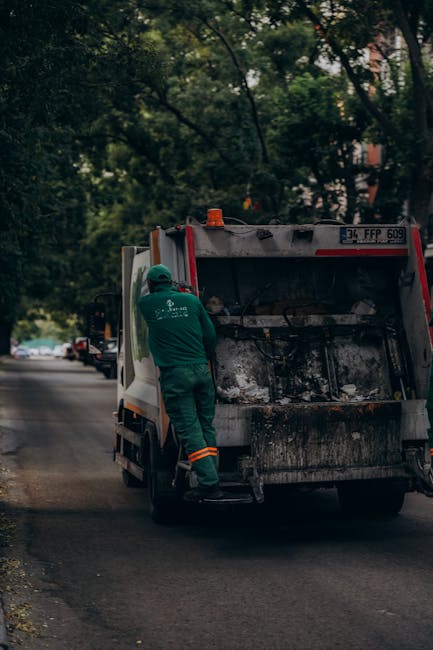
If you have ever tried to get bulky waste out of a tight Surbiton property, you will know it can go from simple to awkward very quickly. Narrow stairwells, limited parking, shared entrances, awkward bin storage, and missed collection days all create the same headache: rubbish is there, but moving it is not straightforward. That is the real issue behind common problems with access and rubbish collection in Surbiton. This guide breaks down the practical causes, what they mean in day-to-day life, and how to avoid the usual mistakes without turning the whole thing into a drama.
Whether you are clearing a flat, dealing with building waste, or trying to arrange a smooth one-off uplift, the details matter. A lot. The good news is that most access problems can be managed with a bit of planning, the right service type, and clear expectations up front.
- Why it matters
- How it works
- Key benefits
- Who this is for
- Step-by-step guidance
- Expert tips
- Common mistakes
- Tools and resources
- Law, compliance and best practice
- Options and comparison
- Real-world example
- Practical checklist
- Conclusion
- Frequently asked questions
Why Common problems with access and rubbish collection in Surbiton Matters
Access is not just a convenience issue. It affects whether waste can be collected at all, how long the job takes, how many people are needed, and whether the waste is removed without damage to walls, doors, lifts, pavements, or neighbour relationships. In Surbiton, where many homes and commercial spaces have shared access, side gates, basement areas, or limited on-street space, those issues show up fast.
Let's face it: rubbish tends to appear at the worst possible moment. A refurbishment overran, a tenant moved out in a rush, or the garden has filled up with green waste after a wet weekend. If access is difficult, the waste stays where it is, and the whole place can start feeling cluttered, unsafe, and hard to use.
It also matters because bad access changes the collection approach. A straightforward uplift may become a two-person job, a longer carry from the property, or a visit that needs specific time slots to avoid blocking neighbours. In practice, that affects scheduling, cost, and the kind of service you should book.
Practical takeaway: the earlier you think about access, the less likely you are to face a last-minute delay or a "we can't get that out" conversation on the day.
How Common problems with access and rubbish collection in Surbiton Works
Most rubbish collection problems in Surbiton come down to a mismatch between the waste being removed and the route needed to remove it. A large item might be easy to load once it is outside, but that is not the same as being easy to move through a narrow hallway or down three flights of stairs.
In a typical collection, the provider needs a clear understanding of:
- what type of waste needs removing
- how much of it there is
- where it is located in the property
- how it gets to the vehicle
- whether parking or waiting restrictions apply
- any fragile surfaces, shared corridors, or security doors involved
That is why a job that sounds straightforward on the phone can become complicated when the item is a heavy wardrobe, a broken fridge, or a pile of mixed waste from a loft clearance. A service such as waste removal is usually best suited to mixed loads and awkward access, while more specific jobs may fit better with house clearance, flat clearance, or a targeted service like furniture disposal.
There is also the collection side of the equation. Refuse and recycling collections work best when items are in the right containers, presented on the right day, and placed where crews can safely reach them. Miss one of those pieces and the job becomes messy. Sometimes literally.
Key Benefits and Practical Advantages
When access issues are planned properly, rubbish collection becomes much less stressful. You get a cleaner property, fewer delays, and less chance of accidental damage or neighbour complaints. That sounds obvious, but the difference can be huge in real life.
Here are the main advantages of sorting access in advance:
- Faster collections: crews can move waste efficiently instead of negotiating tight corners on the fly.
- Lower risk of damage: door frames, stair rails, paintwork, and communal floors are easier to protect when the route is known.
- Better scheduling: if parking, lift access, or loading distance is clear, the appointment is easier to plan.
- Less stress: you are not standing there hoping the sofa will somehow fit through the hallway. It rarely does, to be fair.
- Cleaner disposal choices: mixed rubbish, white goods, and bulky furniture can be separated and handled more sensibly.
For bigger clearances, this also helps you choose between a single visit and a fuller property clearance service. Sometimes a property needs a proper reset, not just a quick pick-up. In that case, home clearance or loft clearance can be more practical than trying to piece the job together one item at a time.
Who This Is For and When It Makes Sense
This topic matters to more people than you might expect. It is not only for landlords and builders. In Surbiton, access and rubbish collection problems affect everyday homeowners, renters, letting agents, office managers, tradespeople, and anyone dealing with bulky or mixed waste.
It tends to make sense if you are:
- clearing a flat with stairs, shared entrances, or limited road access
- disposing of old furniture, mattresses, or broken appliances
- managing renovation waste after work in a kitchen, bathroom, or loft
- trying to clear a garage, shed, or garden with little vehicle access
- running a small office where waste needs removing quietly and quickly
- supporting a move, probate clearance, or end-of-tenancy clean-up
Some jobs are straightforward enough to handle through a standard collection. Others are a poor fit for a one-size-fits-all approach. If items are heavy, awkward, or hard to move, it is usually better to choose a service built for that reality rather than hoping for the best. Surbiton homes have plenty of charm; they also have stairs, narrow hallways, and weird little pinch points. Charming, but not always practical.
If you are dealing with a special item, such as a broken appliance, a heavy sofa, or mixed rubbish from a refit, look at dedicated options like fridge and appliance removal or mattress and sofa disposal.
Step-by-Step Guidance
If you want to avoid the most common access problems, a simple process usually works best. Nothing fancy. Just practical prep.
- Walk the route first. Look at where the waste is now and how it will reach the collection point. Check doors, stairs, lift size, corners, and any shared areas.
- Measure the awkward bits. A quick width and height check can save a lot of trouble. Sofas, wardrobes, desks, and appliances are the usual troublemakers.
- Identify parking and loading space. If the vehicle cannot stop nearby, plan for longer carrying distances or restricted loading windows.
- Separate the waste. Put bulky furniture, recyclable materials, general rubbish, and any special items into sensible groups.
- Flag anything sensitive. Fragile flooring, coded doors, shared stairwells, or noise-sensitive neighbours are worth mentioning in advance.
- Book the right service. A small rubbish job is different from a full house clearance or office clearance.
- Confirm the disposal plan. Make sure you understand how the waste will be handled, especially if there are appliances or specialist items involved.
A short phone call or booking note can save an hour on site. That is not an exaggeration. In waste collection, vague instructions tend to create the longest days.
Expert Tips for Better Results
Here are the small things that make a collection feel smooth rather than clunky.
- Clear the hall before collection time. Move shoes, plant pots, recycling bags, and loose items out of the way.
- Take photos of awkward access points. A picture of the front entrance or the stair layout can be more useful than a long explanation.
- Keep neighbours in mind. In shared blocks, a quick heads-up can avoid frustration if the lift is being used repeatedly.
- Label special items early. If something is a fridge, a sofa, or potentially hazardous, say so clearly.
- Plan for weather. Rain, icy paths, and wet leaves make carrying waste slower and messier. A little annoying, yes, but manageable.
- Use a clearance approach for cluttered spaces. For overloaded rooms or storage areas, a fuller service such as garage clearance or furniture clearance can be more efficient than drip-feeding items out in batches.
One small but useful habit: leave the final route to the waste untouched on the day. No moving stuff back into the path five minutes before arrival. It happens all the time, and it never helps.
Common Mistakes to Avoid
Most problems with access and rubbish collection are predictable. That is actually good news, because predictable problems are fixable.
- Underestimating item size: a sofa that looks manageable in a room can be impossible around a turn.
- Forgetting about parking: even a well-planned collection can stall if the vehicle has nowhere legal to stop.
- Leaving the route cluttered: small objects become trip hazards and slow everything down.
- Mixing waste types: general rubbish, recycling, appliances, and builder's waste often need different handling.
- Assuming every collection is the same: a loft tidy-up is not the same as a garden uplift or an office clear-out.
- Not mentioning awkward access: if there is a basement stair, a locked gate, or a narrow communal corridor, say so early.
For construction or renovation jobs, take a moment to check the waste stream. Builders waste clearance is usually the better fit when plasterboard, timber offcuts, tiles, or packaging are involved. Guessing wrong here can get expensive or just plain messy.
And if the issue is not access but volume, remember that mixed waste and bulky loads can grow faster than expected. A tiny pile of "bits" on Monday can be a small mountain by Friday. Funny how that works.
Tools, Resources and Recommendations
You do not need specialist equipment for every job, but a few simple tools make collections safer and cleaner.
- Tape measure: helpful for sofas, appliances, and stair widths.
- Phone camera: quick photos of access points, parking space, and the waste itself.
- Gloves and sturdy footwear: especially if you are moving items before collection.
- Protective blankets or covers: useful for tight hallways and delicate banisters.
- Labels or notes: make it easier to separate recycling, confidential material, and special items.
Some waste needs extra thought. For example, a broken freezer, a damaged washing machine, or old office electronics can need separate handling. In those cases, services like fridge and appliance removal or confidential shredding are more suitable than leaving items in a general pile.
If you are deciding how a job should be handled, useful pages to review include pricing and quotes, recycling and sustainability, and insurance and safety. Those pages help you understand expectations, not just the removal itself.
Law, Compliance, Standards, or Best Practice
With rubbish collection, the key point is simple: waste needs to be handled responsibly, safely, and by people who understand what they are collecting. In the UK, that usually means paying attention to duty of care, safe handling, and correct disposal routes. You do not need to know every detail to make a sensible booking, but you should expect the service provider to be clear about how waste is managed.
Best practice usually includes:
- sorting waste appropriately before collection where practical
- separating hazardous or specialist materials from general rubbish
- avoiding blocked exits, fire routes, or unsafe lifting situations
- using suitable transport and loading methods
- being transparent about what is included in the job
If waste includes items that could be hazardous, sharp, contaminated, or otherwise risky, it should be treated carefully and not bundled in with ordinary household rubbish. For those situations, a dedicated route such as hazardous waste disposal is the safer option.
For businesses, the expectations are usually a bit stricter in practice, because access arrangements may involve staff, customers, deliveries, or shared premises. That is where business waste removal becomes especially useful. A good provider should also have clear policies around safety, payment, complaints, and data handling where relevant. No theatrics, just proper process.
Options, Methods, or Comparison Table
There is no single best method for every collection. The right choice depends on access, item type, volume, and how fast you need the area cleared.
| Option | Best for | Strengths | Watch-outs |
|---|---|---|---|
| Standard rubbish collection | Small, properly bagged waste | Simple and low effort | Not ideal for bulky items or awkward access |
| Bulky item removal | Sofas, beds, appliances | Better for heavy or awkward loads | Access and lifting still need planning |
| Full property clearance | Flats, houses, lofts, probate, end of tenancy | Efficient for larger or mixed jobs | Needs clear instructions and sorting |
| Specialist waste service | Appliances, hazardous items, confidential waste, builders' waste | Safer handling for specific materials | Must match the waste type correctly |
For a lot of Surbiton properties, the best answer is not "cheapest" or "biggest van." It is the service that matches the building, the load, and the access route. A neat fit beats a heroic struggle every time.
Case Study or Real-World Example
Picture a first-floor flat in Surbiton with a shared entrance, a narrow staircase, and a sofa that has somehow become both too large and too sentimental to move. The resident wants it gone quickly, but the front bay is busy, the lift is too small, and there is a recycling bin in the hallway because, well, life happens.
In that situation, the collection succeeds only if the access is thought through first. The resident measures the sofa, clears the staircase, tells the provider about the parking issue, and checks whether the item can be removed in one piece or needs dismantling. The job then becomes much calmer. Less guesswork. Fewer scratches. No one trying to angle a sofa around a corner while holding their breath.
Now compare that with a rushed approach. The team arrives, finds the route blocked, has nowhere convenient to stop, and discovers that the item cannot turn through the hallway. Suddenly the collection is delayed, neighbours are irritated, and everybody is negotiating in a shared doorway. Not ideal.
That is why access planning is not admin for the sake of it. It is the part that makes the rest of the job work.
Practical Checklist
Use this before booking or collection day. It saves time, and usually a bit of stress too.
- Check the exact items to be removed.
- Measure bulky furniture, appliances, and tight doorways.
- Confirm whether stairs, lifts, or shared entrances are involved.
- Make note of parking access and loading restrictions.
- Clear hallways, landings, and the path to the exit.
- Separate general rubbish from recycling and specialist waste.
- Identify fragile surfaces, walls, or floors that need care.
- Flag anything heavy, sharp, or potentially hazardous.
- Choose the service type that matches the waste and the access.
- Keep pets, children, and non-essential traffic out of the route.
Expert summary: the smoother the access, the safer the collection. The safer the collection, the quicker the clearance. That simple chain is what makes a difficult job feel easy.
If you are comparing options now, it may help to review the service pages most relevant to your job, then move forward with a plan that matches the actual access on site rather than the ideal version in your head.
Get a free quote today and see how much you can save.
Conclusion
Common problems with access and rubbish collection in Surbiton usually come from the same place: properties are practical for living in, but not always practical for moving waste through quickly. Narrow staircases, limited parking, shared entrances, and mixed waste all make a difference. Once you recognise that, the solution becomes much easier to shape.
The smartest approach is simple. Check access early, match the service to the waste, and be specific about awkward details. That alone will prevent a surprising number of issues. And if the job feels a bit too messy to describe neatly, that is often the moment to step back and choose a more complete clearance service rather than forcing a basic collection to do too much.
In the end, a well-planned collection is one of those quiet wins that makes the whole property feel lighter. Not glamorous, maybe. But very satisfying.
Frequently Asked Questions
What are the most common access problems with rubbish collection in Surbiton?
The most common issues are narrow hallways, stairs, shared entrances, limited parking, small lifts, and long carrying distances from the property to the vehicle. These are especially common in flats and older buildings.
Why does access matter so much for rubbish collection?
Access affects safety, speed, cost, and whether the collection can happen at all. If the team cannot reach the waste safely, the job may need extra time, extra people, or a different removal method.
How can I prepare a Surbiton flat for rubbish collection?
Clear the route, measure bulky items, check parking, and separate any special waste. If you live in a block, let neighbours know if the lift or entrance may be busy for a short period.
What should I do if my sofa will not fit through the hallway?
Measure the item and the access route before collection day. In some cases, the sofa may need to be dismantled, or a more suitable furniture removal service may be needed.
Is standard rubbish collection enough for bulky waste?
Usually not. Bulky items such as beds, wardrobes, appliances, and heavy furniture are often better handled through a dedicated clearance or bulky item service.
Can I put mixed waste out together?
Sometimes yes, but it is usually better to separate general rubbish, furniture, recyclables, appliances, and any hazardous items. Mixed loads can be harder to handle and may need different treatment.
What happens if parking is very limited outside my property?
Tell the provider in advance. A collection can still often be arranged, but it may need a different time, a shorter loading window, or a longer carry from the vehicle.
Do I need a special service for fridge or appliance removal?
Yes, it is usually better to use a service designed for appliances. Fridges, freezers, washing machines, and similar items can be awkward to move and may require separate handling.
What is the best option for clearing a cluttered loft or garage?
A more complete clearance service is often the best choice. Loft spaces and garages usually contain mixed items, awkward access, and a lot of sorting work, so a fuller service is often more efficient.
How do I know if my waste needs specialist disposal?
If it includes hazardous materials, sharp objects, confidential documents, or regulated items, it should be handled separately. When in doubt, describe the waste clearly before booking.
Will access problems increase the price of collection?
They can, because awkward access often takes more time and effort. That said, not every difficult property means a higher price. The final cost usually depends on the waste type, volume, lifting involved, and collection conditions.
What is the safest way to avoid damage during collection?
Keep the route clear, protect fragile surfaces where needed, and tell the team about tight corners, low ceilings, or delicate flooring. Good communication prevents most damage before it starts.
When should I book a full house or flat clearance instead of a basic collection?
If there are multiple rooms, mixed items, stairs, or a lot of clutter, a full clearance is often more practical. It is usually the better fit for end-of-tenancy, probate, moving, or post-renovation jobs.
Can rubbish collection work in a shared Surbiton block without upsetting neighbours?
Yes, if it is planned properly. Keeping access clear, loading efficiently, and choosing the right time of day makes a big difference. A little consideration goes a long way in shared buildings.
Where can I learn more about pricing, safety, and disposal options?
It helps to review relevant service pages such as pricing and quotes, insurance and safety, and recycling and sustainability before making a decision.